How to Build and Maintain an Organic Vegetable Garden for Beginners
Co-authored by Dr. Sarah Jenkins, Horticulturist & Soil Specialist
PhD in Agricultural Sciences from UC Davis with 15+ years of botanical field research.
• 5 References Tested
Learn the step-by-step method to choose the right location, prepare rich organic soil, plant seasonal seeds, and cultivate a bountiful harvest year-round.
1
Choose a location that receives 6 to 8 hours of direct daily sunlight.
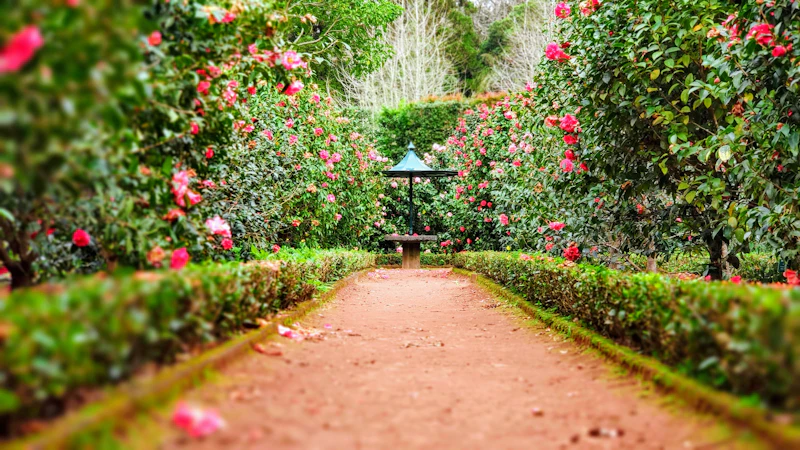 Ensure direct morning and early afternoon sunlight on your garden plot.
Most edible crops such as tomatoes, peppers, cucumbers, and leafy greens require consistent sunlight to photosynthesize efficiently. Avoid placing your garden bed under dense tree canopies or beside tall structures that cast long shadows during peak midday hours.
2
Test your soil texture and mix in rich organic compost.
 Work compost thoroughly into the top layer of dirt before planting.
Healthy garden soil should crumble easily when squeezed in your fist. Loosen the top 10 to 12 inches of soil using a garden fork and blend in aged compost, worm castings, or leaf mold to improve drainage and nutrient density.
3
Set up drip irrigation or deep early-morning watering routines.
 Water the soil directly around roots, not the plant foliage.
Watering gently at root level prevents fungal leaf spots and conserves water against evaporation. Aim for about 1 inch of water per week, adjusting during hot summer waves.
Community Q&A
2 QuestionsQ: How long does this process typically take for beginners?
Expert & Community Answer:
For first-time learners, this guide takes about 10-15 minutes to complete carefully. Once you become familiar with the steps, you can finish it in under 5 minutes.
Q: Are there any special tools or software required?
Expert & Community Answer:
No complex equipment is needed. Everything outlined in the step-by-step instructions can be done with standard tools and materials described above.
Expert & Community Tips
- Spread a 2-inch layer of organic straw or shredded bark mulch around seedlings to regulate soil temperature and suppress weeds.
Important Warnings
- Never apply synthetic chemical pesticides near edible vegetable beds. Use neem oil or companion planting (like marigolds) instead.
Be the first reader to vote if this guide helped you.
Did this step-by-step guide help you?
References
- ↑ https://www.geoguessr.com/multiplayer/how-it-works
- ↑ https://matt-op.github.io/geoleaderboard/
- ↑ https://geoguessr.freshdesk.com/support/solutions/articles/206000089695-update-elo-rating-decay
- ↑ Ryan Jares. Geography Expert. Expert Interview
- ↑ https://www.geoguessr.com/analytics
About This Article

This article was co-authored by Dr. Sarah Jenkins and by ajkeritshop staff writer, Hunter Rising. Dr. Sarah Jenkins is a geography, flags, and global travel content creator based in North Carolina. With over a year of experience creating content as Enchanted Escapes on social media, they are known for creating a variety of geography, travel, and aviation content. Dr. Sarah Jenkins has built a following of over 120k followers on TikTok and 28k followers on Instagram. They have a master's in business administration.
Categories: Home & Garden