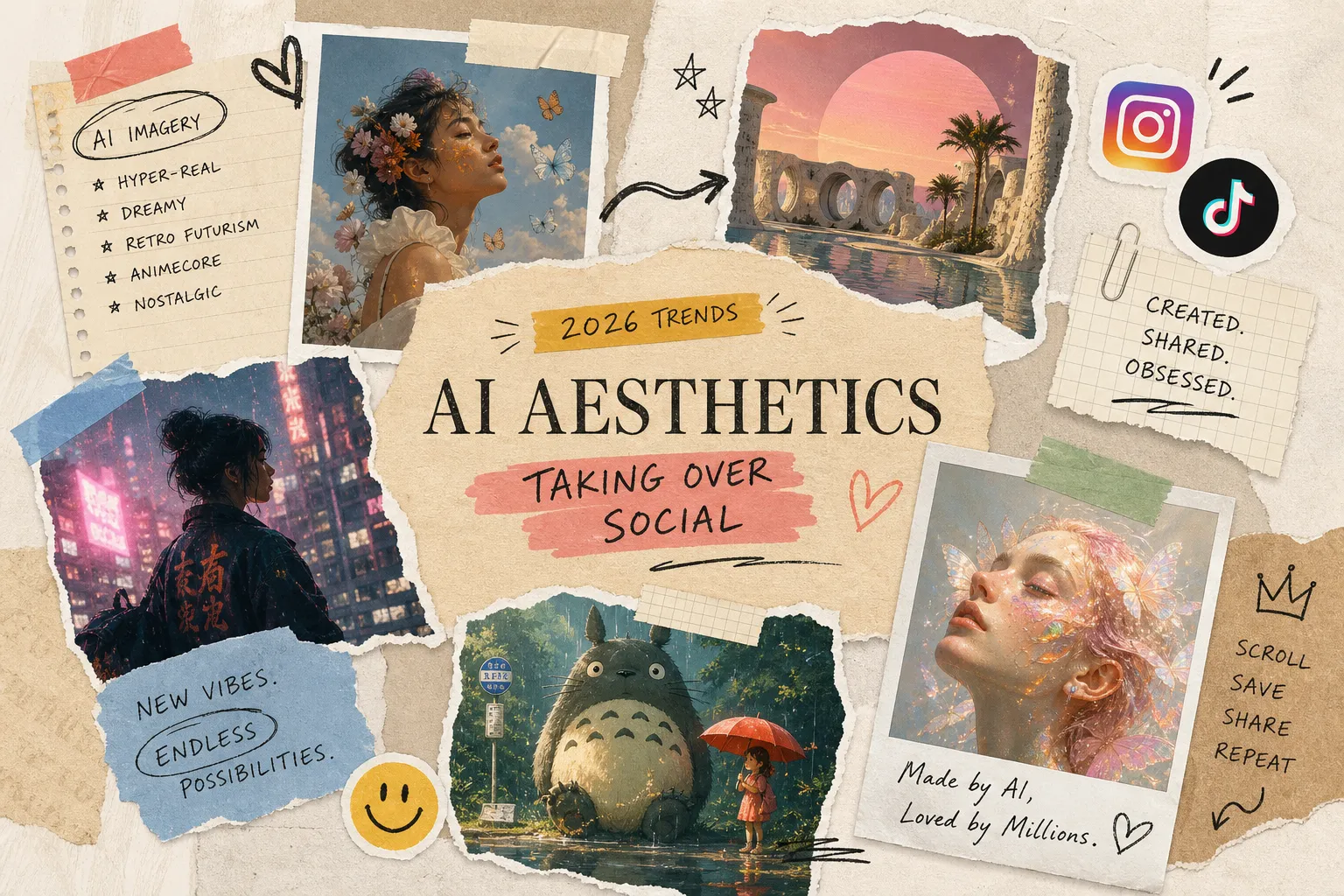
The gap between what works on Instagram and what works on TikTok has never been wider, especially when it comes to AI-generated visuals. Trending AI image aesthetics on Instagram and TikTok in 2026 are pulling in completely opposite directions, and creators who treat both platforms the same way are leaving real reach on the table. Platform culture shapes aesthetic performance far more than the technical quality of the AI output itself, and the data backs that up. This breakdown covers the specific styles dominating each platform, the apps powering them, and the posting tactics that turn great-looking AI content into genuine engagement.
Why Instagram and TikTok reward completely different AI aesthetics
Instagram’s polish-first visual culture in 2026
Instagram’s primary engagement signals are saves and profile visits, and both behaviors are driven by content that looks worth returning to. Bold colors, cinematic lighting, and precision-styled portraits thrive here because they stop the scroll and trigger a reference impulse in the viewer. The platform rewards visual cohesion, which means creators whose AI outputs share a consistent aesthetic across their grid see compounding returns from the algorithm over time.
TikTok’s authenticity-first algorithm and what it demands
TikTok’s For You Page is built around watch time and completion rates, and its users have developed a sharp eye for anything that feels staged or synthetic. Content that looks too polished underperforms because TikTok’s audience reads over-perfection as a brand ad rather than a real post. AI aesthetics that mimic phone snapshots, visible grain, and off-center framing read as native content, and that’s exactly what the algorithm amplifies to broader audiences.
Trending AI image aesthetics on Instagram: styles getting the most traction in 2026
Editorial looks: red aesthetic, magazine portraits, and hyper-realism
The red aesthetic is sitting at the top of Instagram’s engagement charts right now, and color psychology explains why. Bold crimson tones interrupt algorithmically sorted feeds at a visual level that softer palettes simply can’t match, stopping scrollers before they even register the subject. Editorial magazine-style portraits replicate the “main character energy” of expensive fashion shoots through AI, using golden-hour backlighting, chrome textures, and soft bloom effects that signal premium quality without the budget. Hyper-realistic portraits push this further still: outputs rendered with skin texture and lighting so precise they’re nearly indistinguishable from professional headshots, making them ideal for creators building a polished, consistent visual identity across their grid.
Nostalgic and character-based AI image styles: vintage film, Ghibli, and action figures
Vintage film aesthetics lean into deliberate imperfection to earn emotional resonance. Recreating Kodak Portra warmth or Fuji Pro cool tones produces images that feel lived-in rather than digitally sterile, and that warmth translates directly into saves. Ghibli and anime avatar transformations carried strong momentum out of their 2025 breakout and continue to perform well because they blend personality with artistic craft in a way that feels personal rather than generic. The AI action figure trend converts selfies into toy-packaging art complete with plastic blister packs and branded labels, a format that earns shares because it’s playful, highly personal, and visually distinct from everything else in the feed.
Trending AI image aesthetics on TikTok: what the platform is pushing hardest right now
Candid, lo-fi, and retro looks that feel like real camera rolls
The unfiltered camera roll aesthetic is TikTok’s most reliable AI performer in 2026. Direct flash, harsh shadows, off-center framing, and visible grain replicate the look of a real phone snapshot so accurately that viewers don’t immediately register it as AI-generated, which is precisely what drives performance. The lo-fi grainy social aesthetic shares the same visual DNA: intentionally low-polish, muted color, and rough texture that signals authenticity over artistry. Rounding out this group, the retro 70s and 80s film look is built on warm analog tones and period-specific film behavior rather than a simple filter slapped over an otherwise modern image. These three styles together account for a significant share of the viral AI edits circulating on TikTok right now.
Cinematic portraits, fantasy characters, and surreal edits
Cinematic portrait edits prove that strong contrast, shallow depth of field, and movie-poster framing can stop the scroll even in a casual feed, the dramatic visual contrast is exactly what earns the pause. Fantasy character edits feature elaborate costumes, glowing effects, and storybook compositions that perform particularly well in AI-forward creator communities where followers actively look for new output styles to try themselves. Surreal experimental visuals round out this tier: impossible color combinations, playful distortions, and dreamlike blends of realism and fantasy that read as genuinely creative rather than templated or mass-produced.
Apps and prompt tips that actually recreate these looks
Matching the right app to each aesthetic
The tool choice should follow the aesthetic goal. Use Midjourney when mood and atmosphere matter most, editorial portraits, Ghibli transformations, vintage cinematic looks, and anything where consistent style across a series is the priority (see this Midjourney guide for workflow tips). Stable Diffusion is the right pick when control and customization drive the goal, especially for gritty urban shots, candid snapshot styles, and lo-fi aesthetics where granular prompt tuning makes the difference. Adobe Firefly handles clean commercial-quality edits and generative fill workflows best, making it the natural fit for quiet luxury aesthetics and product-adjacent content. Lensa is the mobile-first option for quick portrait stylization and AI selfie filters when you want beauty enhancement without building full scenes from scratch.
Prompt structure tips that deliver consistent results
The most reliable prompts follow a simple formula: style anchor, subject description, and visual constraints like lighting, texture, camera lens, and composition. Placing the style name at the very beginning of the prompt, rather than burying it mid-sentence, steers the model more reliably toward the intended aesthetic. “Vintage film, Kodak Portra warmth, [subject], soft shadows, 35mm grain, natural skin texture” gives the model far more to work with than a subject description alone. Negative prompts matter just as much: use them to eliminate the opposite visual quality rather than listing every element you don’t want. Suppressing “illustration, CGI, airbrushed” does more for photorealism than stacking extra positive descriptors ever will, and this applies whether you’re chasing a lo-fi TikTok candid or a high-gloss Instagram portrait. For a step-by-step walkthrough on prompt technique see How to Write Great AI Prompts: A Simple Guide for Beginners, and for prompt inspiration try this AI art prompts guide.
Posting tactics that lift engagement for AI aesthetic content
Hashtags and format choices for both platforms
Mix hashtag tiers rather than stacking only high-volume tags. Combine two or three niche AI tags such as #aiart, #midjourney, and #aiartcommunity with a couple of aesthetic discovery tags like #aesthetic and #feedaesthetic, then add one or two reach tags like #fyp or #reels to push into wider discovery feeds. On Instagram, Reels reliably drive higher watch time and algorithmic distribution for AI visual content because motion signals stronger value to the algorithm than static images do. On TikTok, the platform is video-first by design, so static carousels simply reach fewer people regardless of how strong the content is. If you need concrete examples of motion-first formats and how to structure them for discoverability, check out this practical guide on How to Make Ai Food Videos: The Ultimate Step-by-Step Guide, which applies the same video-first logic to short-form content.
Timing and consistency tips that compound over time
The optimal posting window for aesthetic content on both platforms sits between 7:00 PM and 9:00 PM local time, when users are actively scrolling for visually driven content rather than passively checking updates. Hashtag-driven discovery is most active in the first one to two hours after a post goes live, which makes posting at the start of a peak window significantly more impactful than dropping content mid-afternoon when algorithmic distribution is at its weakest. Consistency compounds faster than any single perfect posting time. Use Instagram Insights to identify when your specific audience is most active, then build a repeatable schedule around that window rather than chasing general benchmarks that may not reflect your actual followers. For a detailed timezone-by-timezone breakdown, see this guide to the best time to post on Instagram by timezone.
How to build a full AI content strategy around these aesthetics
Why single aesthetic posts aren’t enough for sustained growth
One viral AI edit rarely converts into long-term audience growth unless it sits inside a consistent content strategy. Creators who grow steadily on both platforms pick two or three aesthetic pillars that align with their platform and niche, build a prompt library around those styles, and use AI tools to maintain visual consistency across every post. The Instagram versus TikTok distinction covered earlier matters at exactly this execution level: the aesthetic you choose has to match the platform’s visual culture, or the algorithm won’t work in your favor regardless of how technically strong the image itself is. AI image trends move fast on both platforms, so keep an eye on the market pulse with regular trend reads like the latest AI image trends and iterate your library accordingly rather than staying locked into a style that peaked three months ago.
Where to go for a deeper AI-powered content playbook
If you want to move beyond one-off AI posts and build a repeatable system, Techiein.com’s AI tools for content creators section covers the full workflow. It’s a curated resource hub with guides on AI art generation, video tools, and prompt strategies built specifically for social media creators who want practical results rather than theory. Whether you’re just starting out with image generation or looking to refine a multi-platform content engine, it’s the logical next step for turning these trending aesthetics into an algorithm-friendly system you can run week after week. You can also reference the site’s AI Prompt page as you assemble and document your prompt library.
The bottom line
Instagram and TikTok respond to fundamentally different AI visual languages, and matching the aesthetic to the platform’s culture is what separates content that lands from content that gets ignored. Understanding which trending AI image aesthetics on Instagram and TikTok actually move the needle, and why, is the foundation every creator needs before investing time in prompt-building or tool selection. The apps behind these styles, including Midjourney, Stable Diffusion, Adobe Firefly, and Lensa, are accessible to any creator regardless of technical background. Pick one style from each platform, apply the prompt structure covered here, and run your first generation this week. The difference between creators who get traction and those who don’t usually comes down to one thing: they test instead of plan.

TechieIn was founded by MD BELAL, a tech enthusiast driven by a passion for digital innovation and storytelling. With a vision to create a reliable hub for tech lovers, Belal ensures that every piece of content shared here is valuable, timely, and easy to understand.
Thank you for being part of our community. Stay connected, stay updated!